
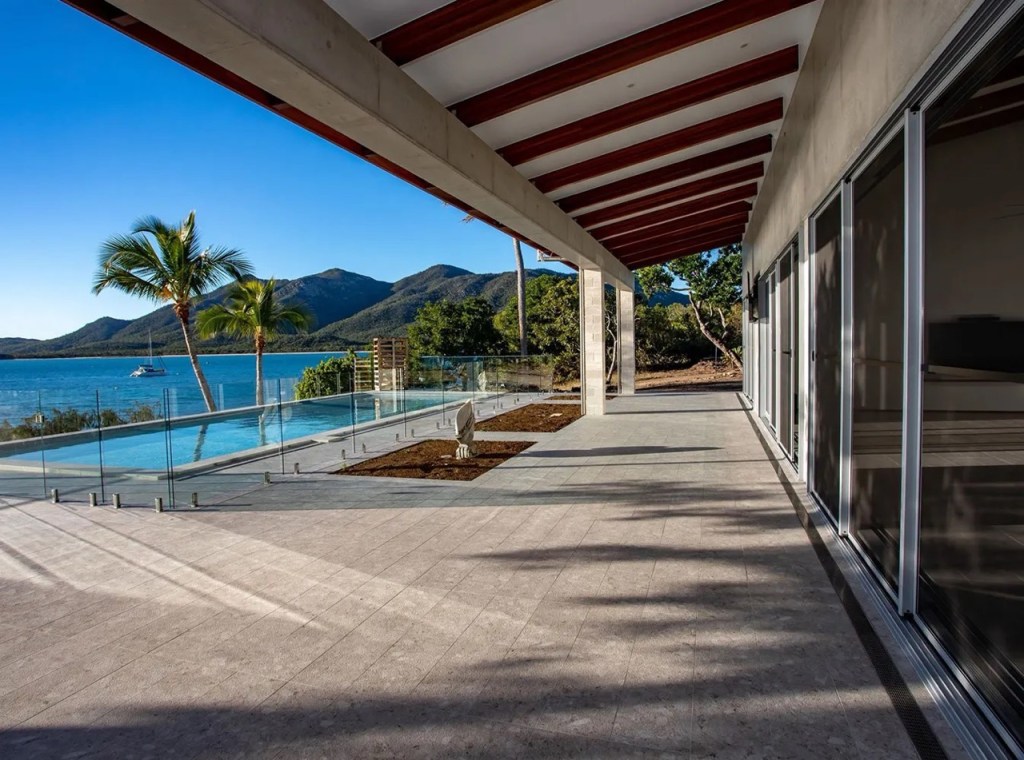
When choosing floor tiles, one of the most crucial factors to consider is the slip rating. Slip ratings are essential for ensuring safety, especially in areas that are prone to getting wet or greasy, such as bathrooms, kitchens, and outdoor spaces. This detailed guide will help you understand what slip ratings are, why they matter, and how to choose the right tiles for your needs.
What is a Slip Rating?
A slip rating measures the slip resistance of a tile surface. It indicates how likely a person is to slip on the tile when it is wet or oily. Slip ratings are determined through standardized testing methods and are usually expressed as a coefficient of friction or in various classification systems like R-ratings and P-ratings.
Why Slip Ratings Matter
- Safety: High slip resistance is crucial for preventing accidents in both residential and commercial spaces. This is especially important in areas that frequently get wet, such as bathrooms, kitchens, and outdoor areas.
- Compliance: In many regions, including Australia, building codes and standards require specific slip ratings for different types of spaces. Ensuring your tiles meet these standards is essential for compliance and liability reasons.
- Peace of Mind: Knowing that your flooring is safe and slip-resistant provides peace of mind, particularly in homes with young children, elderly individuals, or people with mobility issues.
How Slip Ratings are Tested
Slip resistance testing methods can vary, but the most common include:
- Pendulum Test: This is the standard test used in Australia (AS 4586). A pendulum device with a rubber slider mimics the action of a slipping foot, and the resistance to slipping is measured.
- Ramp Test: In this test, a person walks on a ramp covered with the tile surface, which is progressively inclined until they slip. The angle at which they slip determines the slip rating.
- Surface Roughness Test: This involves measuring the roughness of the tile surface, which correlates with slip resistance.
Slip Rating Classifications
R-Ratings: These ratings are derived from the ramp test and are commonly used for commercial and industrial settings.
- R9: Suitable for dry areas with minimal slip risk.
- R10: Moderate slip resistance, suitable for areas that may occasionally get wet.
- R11: High slip resistance, ideal for kitchens, bathrooms, and other areas prone to moisture.
- R12: Very high slip resistance, suitable for commercial kitchens and industrial areas.
- R13: Maximum slip resistance, used in highly demanding environments like swimming pools and heavy-duty industrial areas.
P-Ratings: These ratings come from the pendulum test and are widely used in Australia.
- P0: Very low slip resistance, not suitable for wet areas.
- P1: Low slip resistance, suitable for dry areas.
- P2: Moderate slip resistance, can be used in areas with minimal wetness.
- P3: Good slip resistance, suitable for general indoor wet areas.
- P4: High slip resistance, ideal for bathrooms, kitchens, and some outdoor areas.
- P5: Very high slip resistance, best for areas with constant exposure to water and grease, such as commercial kitchens and outdoor walkways.
Choosing the Right Slip Rating
When selecting tiles based on slip ratings, consider the following factors:
- Location: Determine where the tiles will be installed. Wet areas like bathrooms and kitchens require higher slip resistance compared to living rooms or bedrooms.
- Usage: Consider how the area will be used. Commercial spaces with heavy foot traffic need tiles with higher slip resistance compared to residential spaces.
- Cleaning and Maintenance: Tiles with higher slip resistance can be more challenging to clean due to their textured surfaces. Ensure that the cleaning methods are appropriate for maintaining the tiles’ slip-resistant properties.
Practical Tips for Homeowners and Businesses
- Consult Professionals: When in doubt, consult with architects, builders, or tile professionals who can recommend the best slip ratings for your specific needs.
- Regular Maintenance: Maintain the slip resistance of your tiles by keeping them clean and free from contaminants like grease and soap residues.
- Consider Aesthetics: While slip resistance is crucial, don’t forget about the aesthetic appeal of the tiles. Many manufacturers offer slip-resistant tiles in various designs and finishes that can complement your decor.
Summary
Understanding slip ratings is essential for selecting the right floor tiles that ensure safety and compliance with building standards. Whether you’re renovating a home or outfitting a commercial space, considering slip resistance can help prevent accidents and provide peace of mind. Always choose tiles that meet the required slip ratings for your specific application and maintain them properly to preserve their safety features.
By prioritising slip resistance, you can create safer, more comfortable environments for everyone. We have a wide range of tiles with high slip rating. Or if you prefer to explore other tile stores around Sydney, here are some places to consider. In any case, if you have any further questions or need assistance with tile selection, feel free to reach out to us and we can guide you through the process.
 DAKARA TILES